Former NASA head Jim Bridenstine takes helm at Quantum Space
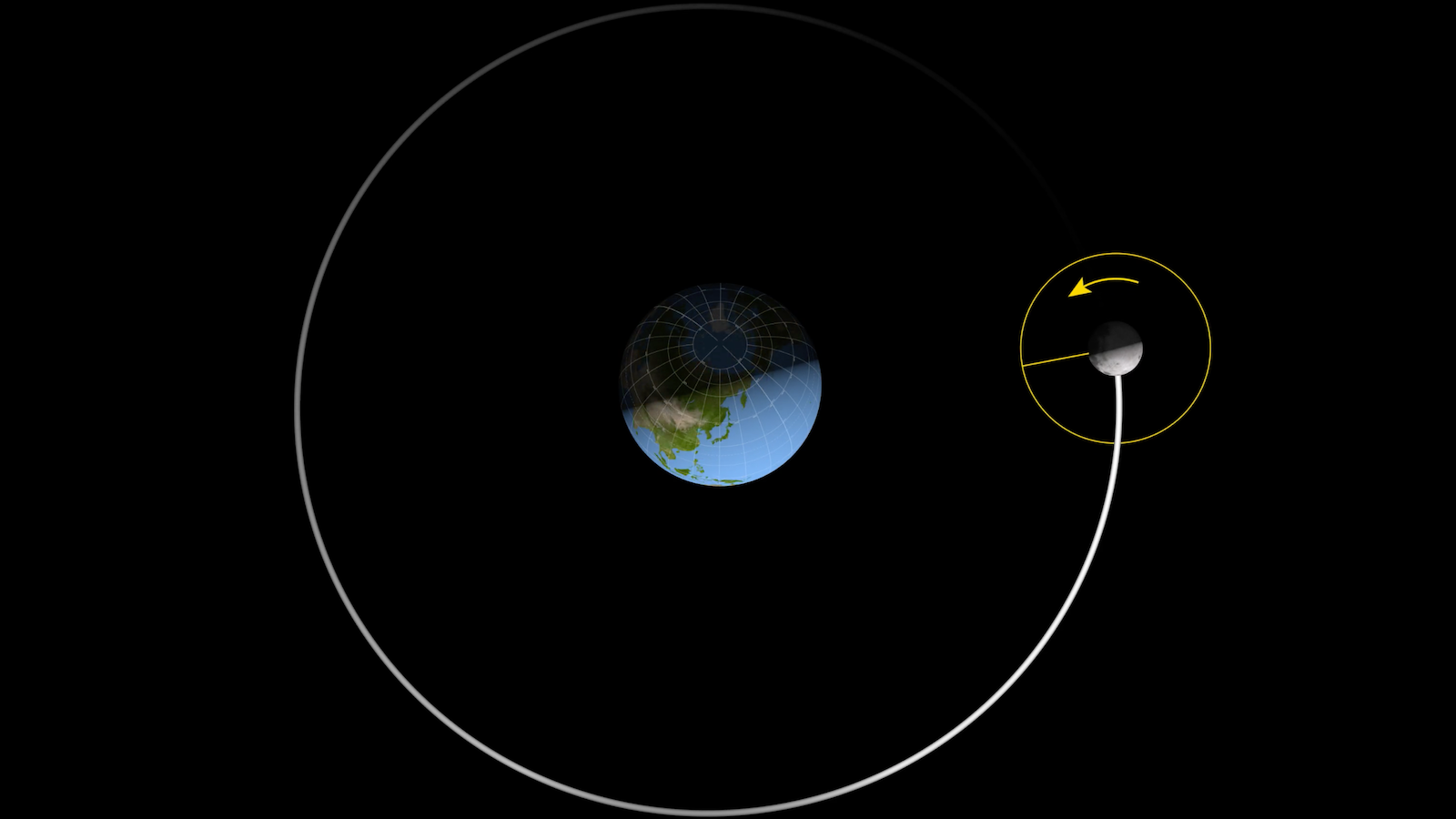
The former NASA administrator still has eyes for the moon, but is now focusing on possible future Space Force operations in cislunar space.
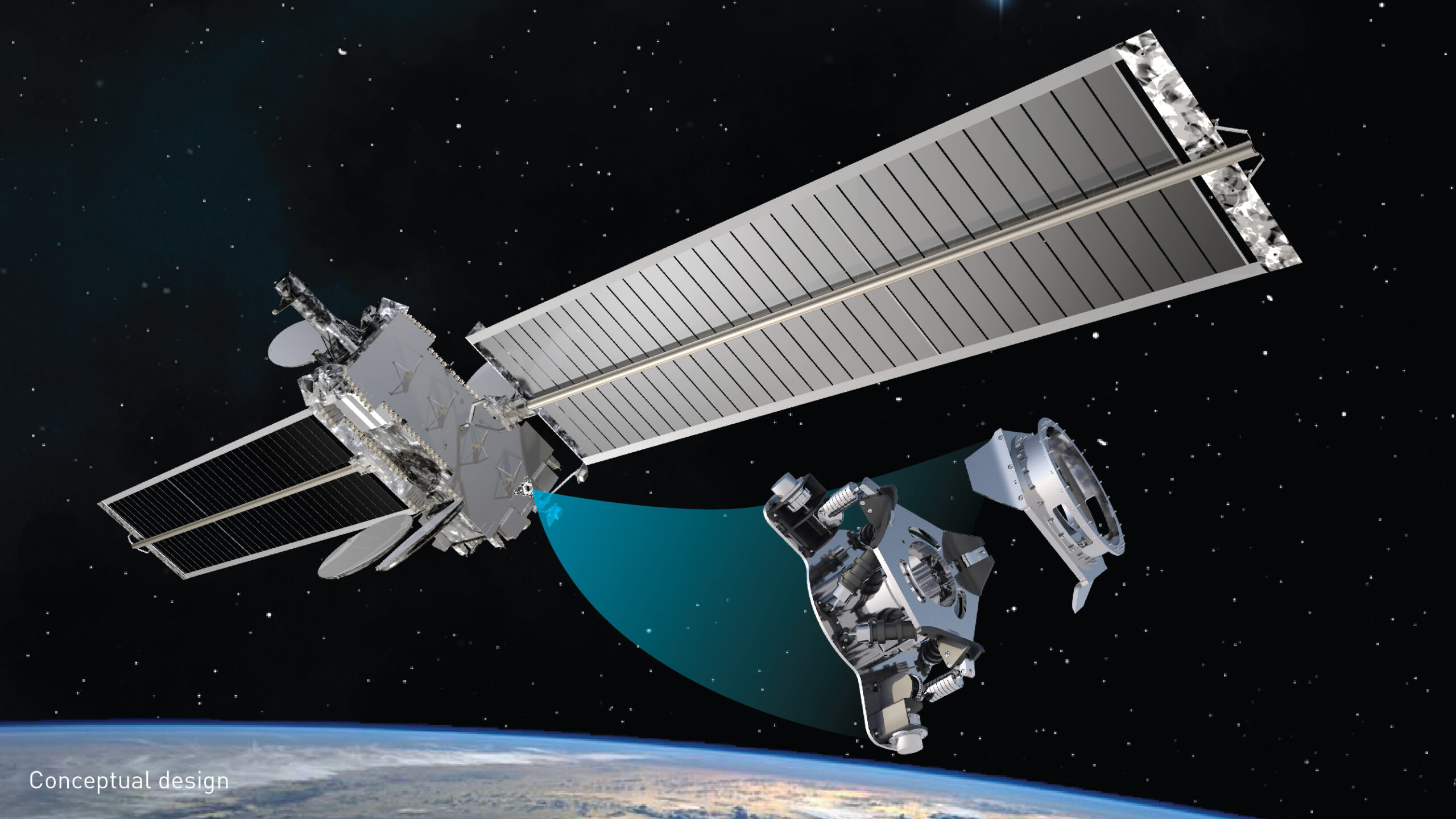
Space RCO is already looking to start a follow-on effort to build smaller threat warning sensors for a wider set of Space Force birds.
The event explores how AFCEA DC is accelerating delivery of next-gen capabilities to the US Navy and the Navy's transformation of small business programs. Secure your spot today!
The service's new Objective Force plan calls for demonstrating on-orbit refueling and fielding operational "space tugs" by 2030.
The Space Force, however, has been lukewarm on funding support for what it calls "Space Access, Mobility and Logistics."
“This will be a next-generation capability being introduced by Ursa Major for hypersonic technology,” Ursa Major CEO Dan Jablonsky told Breaking Defense.
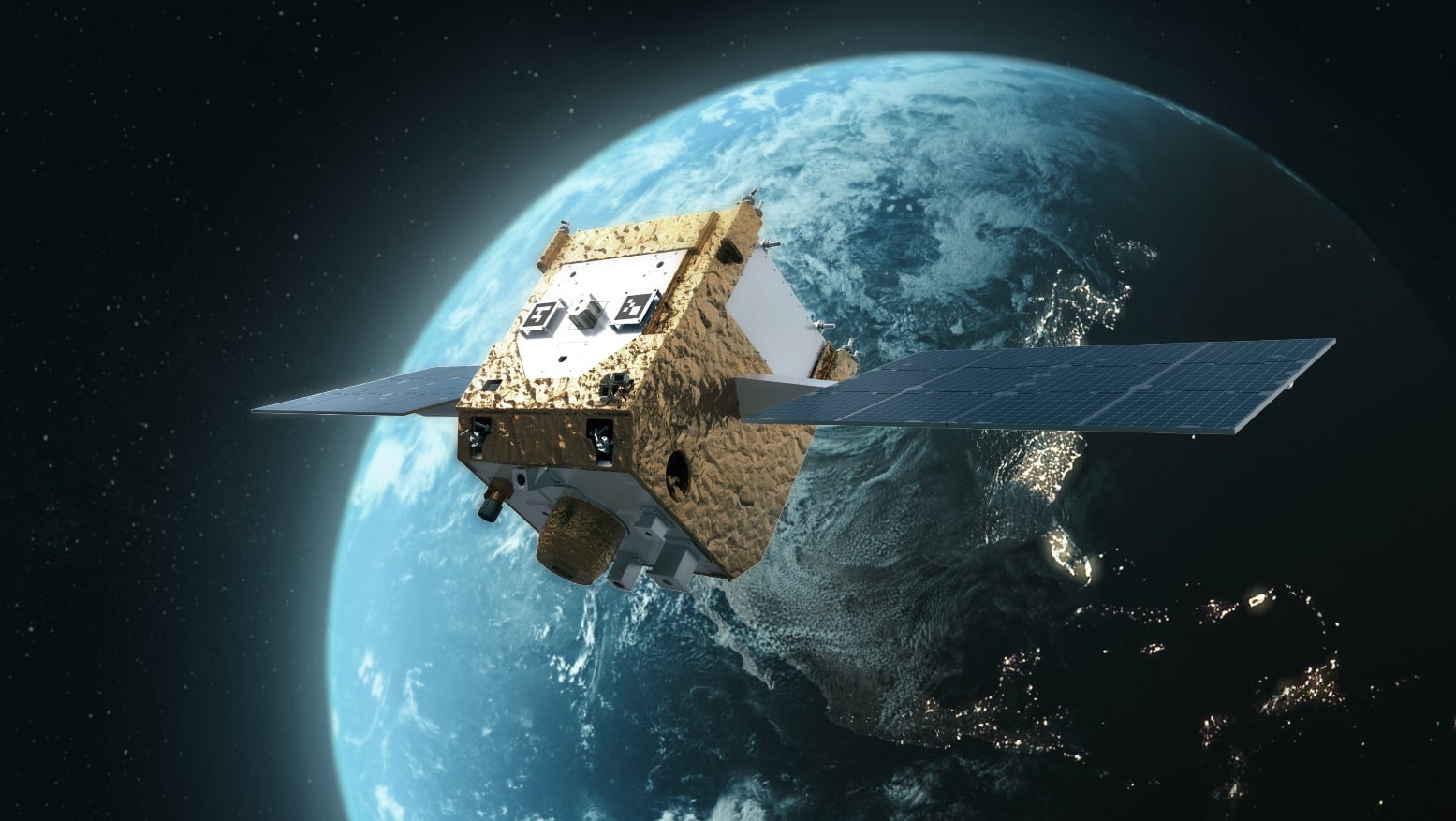
Space Systems Command is moving out with a trio of projects — contracting with Northrop Grumman for two separate experiments, and with Astroscale US for the first on-orbit refueling operation involving a military satellite.
"The US and France recently conducted our first ever bilateral rendezvous and proximity operation to demonstrate combined capabilities in space in the vicinity of a strategic competitor spacecraft," SPACECOM head Gen. Stephen Whiting said today.
A spokesperson for Space System Command's Space Safari office told Breaking Defense that the Victus Sol launch date, payload type, capability requirements and mission objective "will not be disclosed at this time in accordance with mission requirements."
On the eve of the third annual Space Mobility Conference here, supporters of Defense Department investment in technologies to enable what SPACECOM calls "dynamic space operations" are facing a recent cooling of near-term interest from senior Space Force officials.
'I think there [are] things that we will need to be able to, I guess I'll say, 'dogfight' in space," Lt. Gen. Doug Schiess, commander of Space Forces - Space, the Space Force unit that undertakes operations for US Space Command, told reporters on Wednesday.
From emerging data networks to missile tracking and cyber resilience, Breaking Defense’s latest eBook brings together essential reporting on the evolving role of satellites in national security.
"I think the US national security community is going to shape commercial space for the foreseeable future," Carissa Bryce Christensen, CEO of BryceTech, told Breaking Defense.
Lt. Gen. Shawn Bratton, who has been charged to establish the new Space Force Futures Command, said cislunar and dynamic space operations are areas for the command's scrutiny, since neither have yet proven their 'military utility."
Lars Hoffman, Blue Origin's vice president of national security sales, said that a viable commercial market for space mobility and logistics "doesn't exist right now."
"People need to have a realistic expectation of the demand signal," said Col. Joyce Bulson, who heads Space Systems Command's servicing, mobility and logistics program, stressing that the service is "looking to leverage commercial services to the maximum extent possible, so we're not looking for a significant government investment in bringing these capabilities to bear."